## Understanding the Core Difference
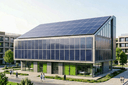
Traditional solar systems rely on rooftop-mounted panels that are bolted onto existing structures. In contrast, BIPV replaces conventional building materials—such as roof tiles, facades, or windows—with photovoltaic components that generate electricity while serving as functional architectural elements.
## Aesthetic and Architectural Advantages
One of the strongest selling points for BIPV is its seamless integration. Traditional panels can disrupt a building's visual harmony, especially on heritage or modern architectural designs. BIPV products, like those featured in our [solar sunflower](/solar-sunflower) concept, can be customized to match roof tiles, glass, or metal cladding, preserving design integrity. This makes BIPV particularly attractive for urban developments where appearance matters.
## Cost Comparison: Upfront vs Long-Term Value
Industry data shows that BIPV systems typically cost 10–30% more upfront than traditional panels due to specialized manufacturing and installation. For example, a standard 5kW traditional system averages $12,000–$15,000 before incentives, while a comparable BIPV system may range $15,000–$20,000. However, BIPV eliminates the need for separate roofing materials, offsetting some initial costs. Over a 25-year lifespan, BIPV can achieve a lower total cost of ownership when factoring in material savings and higher property value. For detailed product options, explore our [solar panels](/products/solar-panels) range.
## Energy Efficiency and Performance
Traditional panels generally offer higher efficiency—18–22% for monocrystalline models—compared to BIPV's 10–18%, depending on the product. However, BIPV compensates by covering larger surface areas, such as entire facades. Our [Eos Carport](/eos-carport) demonstrates how BIPV can integrate into parking structures, generating substantial energy without sacrificing land use. Advances in technology, including our [helio2](/helio2) series, are closing the efficiency gap.
## Installation and Maintenance Considerations
Traditional systems are simpler to install and repair, with individual panels easily replaced. BIPV requires specialized installers and more complex wiring, potentially increasing downtime during repairs. However, BIPV's durability—often rated for winds up to 120 mph—reduces long-term maintenance. For optimal battery integration, see our [lithium battery](/products/lithium-battery) solutions.
## Environmental Impact and Building Value
BIPV reduces material waste by combining construction and energy generation. A study by the National Renewable Energy Laboratory found that BIPV can lower a building's carbon footprint by up to 40% compared to traditional solar retrofits. Additionally, BIPV-equipped buildings often command 4–7% higher resale values, according to real estate data.
## Which Is Right for You?
Choose traditional solar if you prioritize lowest upfront cost, highest efficiency, and simple installation. Opt for BIPV if you value aesthetics, long-term savings, and architectural integration. For commercial projects requiring custom designs, our [tech](/tech) page offers advanced inverter and storage options.
## The Future of Solar Integration
As building codes tighten and sustainability mandates increase, BIPV is poised for growth. The global BIPV market is projected to reach $86 billion by 2030, driven by demand for net-zero buildings. Whether you choose traditional or BIPV, both paths lead to cleaner energy—but BIPV offers a more holistic approach to building design.
Share: